
2026-10-11 ·
How Nor'easters Damage Roofs in Reading
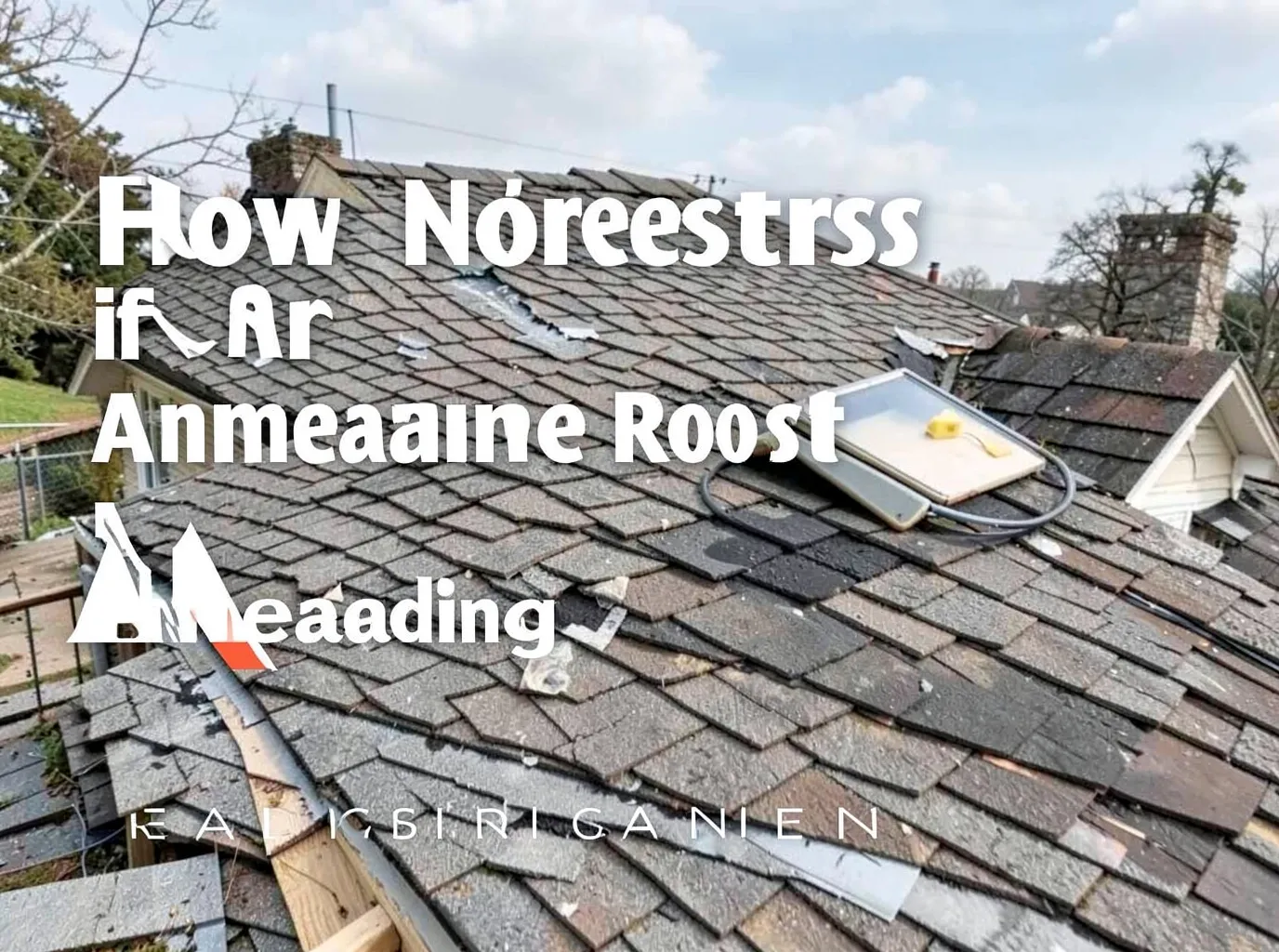
Nor'easters damage roofs in Reading by driving wind under shingles while forcing snow and rain through any gap in flashing or underlayment, especially on the older housing stock found across Berks County. These storms arrive with sustained winds that lift edges on aging asphalt shingles common in Mount Penn and Hyde Park, then dump heavy wet snow that sits against chimneys and valleys.
Wind Uplift on Shingle Edges and Ridges
Strong winds during a Nor'easter catch the leading edge of shingles on roofs that face northeast, the direction these storms usually track. In neighborhoods such as Glenside and Downtown Reading, many homes built before 1950 have single-layer shingles that have already lost some flexibility, making them easier to peel back. Once the edge lifts, the underlayment becomes exposed and water finds its way to the decking within hours of the rain band passing. Homeowners often notice missing granules in gutters the next day along West Reading streets where wind funnels between closely spaced houses. Checking for raised tabs after the storm passes prevents small lifts from turning into full leaks during the next round of precipitation.
Snow Load Followed by Ice Dam Formation
The heavy wet snow that follows the wind phase adds weight to already stressed roof planes and settles into valleys and around chimneys. In Berks County the freeze-thaw cycle that arrives the next day turns that snow into ice dams, particularly on the north-facing slopes common in Hyde Park and Mount Penn. Water backs up under shingles and works its way to the interior, often showing first as stains near the soffits. Roofs with poor attic ventilation, typical in the older stock near the Berks County Courthouse, hold heat unevenly and make dams form faster. Clearing the lower three feet of the roof after the snow stops reduces the chance of water finding a path inside.
Water Intrusion at Flashing and Penetrations
Nor'easters push water sideways under step flashing and around skylights more aggressively than ordinary rain because the wind never lets up. Homes in the Callowhill Historic District and Centre Park Historic District frequently have original chimneys where the flashing has been patched multiple times; these locations fail first when sideways rain hits for twelve hours straight. Valleys that empty into gutters clogged with leaves from the previous season back up and force water under the metal. Checking these points from a ladder after the storm, rather than waiting for interior stains, keeps small repairs from becoming deck replacement jobs.
Practical Next Steps After the Storm Passes
After the winds drop, walk the perimeter and look for lifted shingles or granules in the downspouts before calling for [Emergency Roof Leak Repair](https://services/emergency-roof-leak-repair-24-7). If water has already entered, document the locations and contact a local crew familiar with [Storm Damage Roof Repair](https://services/storm-damage-roof-repair) in Reading. For immediate guidance on what to do while waiting for help, review the steps in [What to Do When Your Roof Is Leaking Right Now](https://blog/what-to-do-when-your-roof-is-leaking-right-now-emergency-steps). Owners in West Reading and Glenside who inspect twice a year catch the loosened flashing that Nor'easters exploit before the next system arrives from the coast.