
2026-10-11 ·
Reading Seasonal Roof Maintenance Checklist (Spring/Fall)
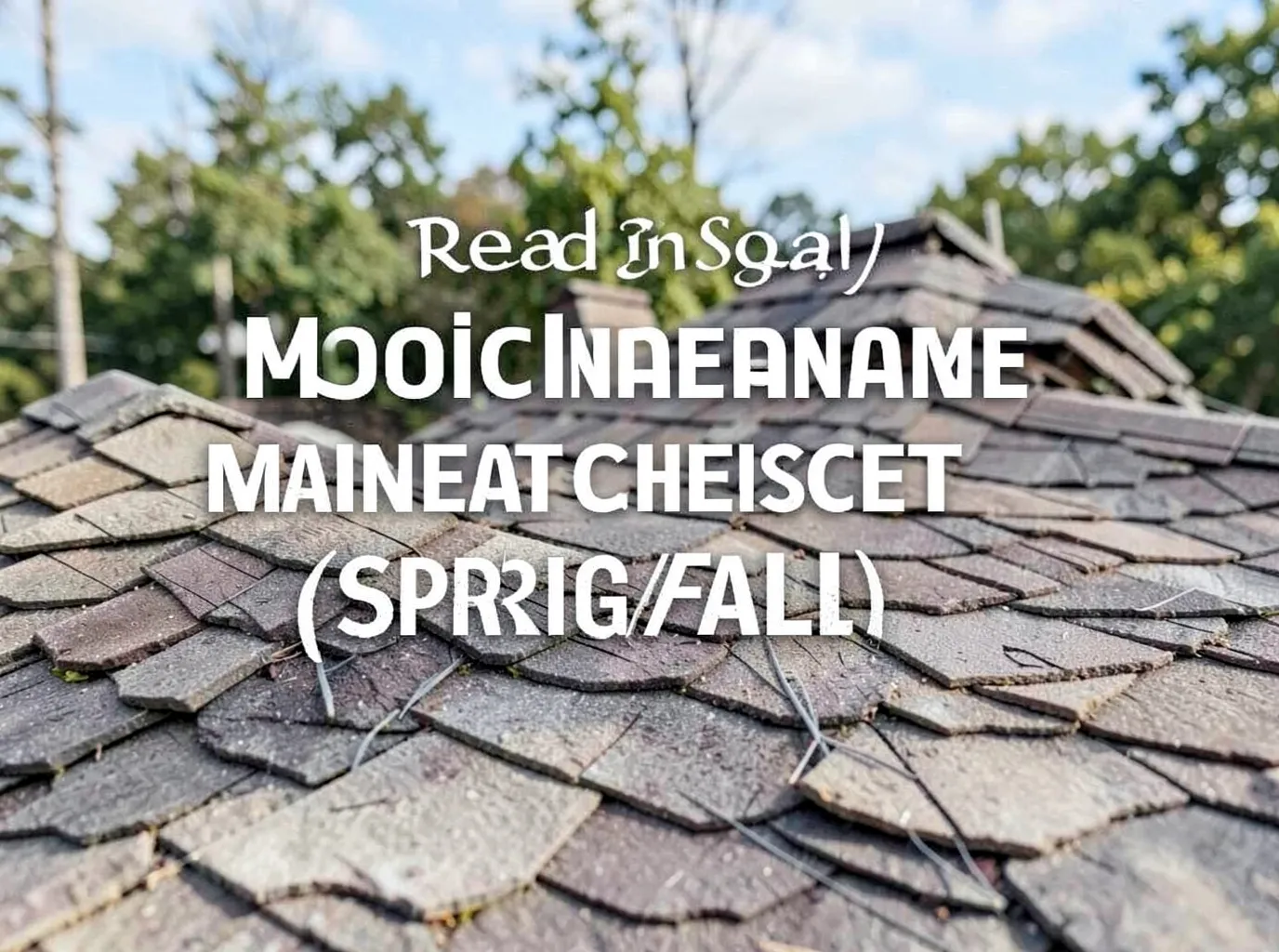
A consistent spring and fall roof maintenance routine in Reading helps extend asphalt shingle life by 5–10 years and reduces leak risk in Berks County homes built before 1970. Older row homes and two-story houses common in Downtown Reading and Hyde Park collect debris faster due to mature trees and narrow lots, so twice-yearly attention prevents water from reaching decks and ceilings.
Reading Climate and Housing Stock Effects
Berks County experiences humid continental conditions with hot summers that soften shingles and promote algae growth, followed by cold winters that bring heavy snow and freeze-thaw cycles. These swings stress flashing around chimneys and skylights on the many pre-1950 homes found in Glenside and Mount Penn. Wind-driven rain from nor'easters can push water under lifted shingles on south-facing slopes common in West Reading. Regular removal of leaves and checking for granule loss keeps water flowing into gutters instead of pooling near valleys. Homeowners near the Pagoda or FirstEnergy Stadium often notice faster wear because of exposure to open fields and stadium lighting heat.
Spring Roof Maintenance Checklist
Begin spring work after the last hard freeze, typically late March in Reading. Walk the roof on a mild day and look for missing or curled shingles, paying extra attention to areas above kitchens and bathrooms where interior heat rises. Clear gutters and downspouts of winter debris so meltwater from any remaining snow does not back up under eaves. Inspect attic insulation for wet spots that signal a slow leak from the previous season. Replace any cracked pipe boots or deteriorated step flashing before summer storms arrive. Schedule a professional Roof Leak Detection & Inspection if you see dark streaks on ceilings or notice musty odors in upstairs closets.
Fall Roof Maintenance Checklist
Complete fall tasks before temperatures drop below 40 degrees, usually by mid-November. Remove leaves from valleys and around chimneys to stop ice dams from forming along the eaves of homes in College Heights and Northwest Reading. Check that attic ventilation remains unobstructed so warm air does not melt snow unevenly on the roof deck. Examine sealant around skylights and plumbing vents; reapply if it has dried or cracked from summer UV exposure. Trim overhanging branches that could drop heavy limbs during winter storms. Review the full Ice Dams: Why They Cause Leaks & How to Stop Them guide for specific steps that apply to the sloped roofs prevalent in the area.
When to Call for Professional Help
If you discover more than a dozen damaged shingles or standing water in the attic after a heavy rain, contact a local crew rather than attempting temporary fixes. Crews familiar with Reading row-home construction can access tight spaces between neighboring properties without damaging shared walls. For sudden leaks after a nor'easter, the What to Do When Your Roof Is Leaking Right Now (Emergency Steps) article outlines immediate actions while waiting for on-site assessment. Owners in Penn's Common or Centre Park Historic District should request inspections that respect original slate or tile details when present.